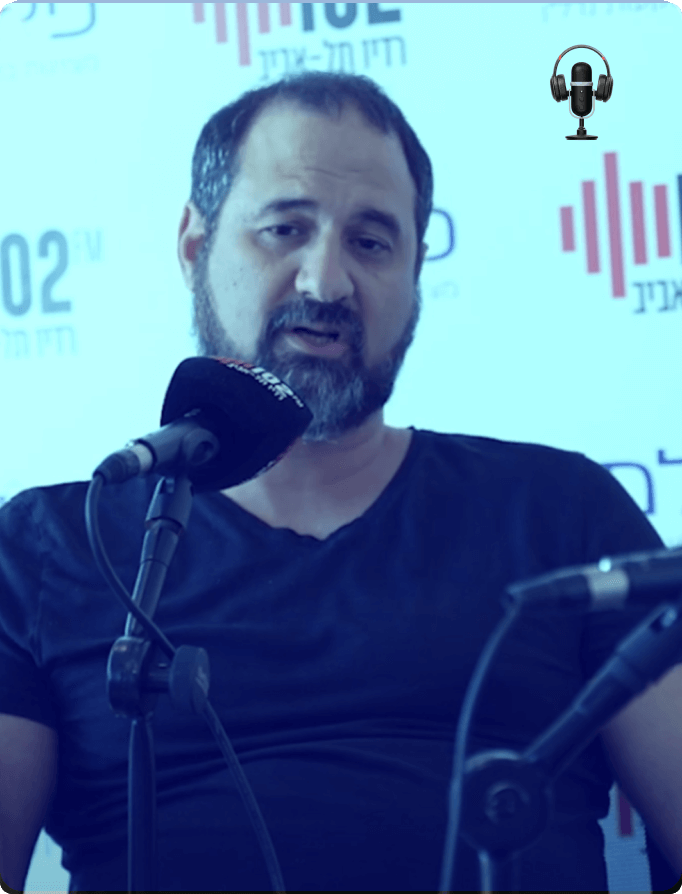


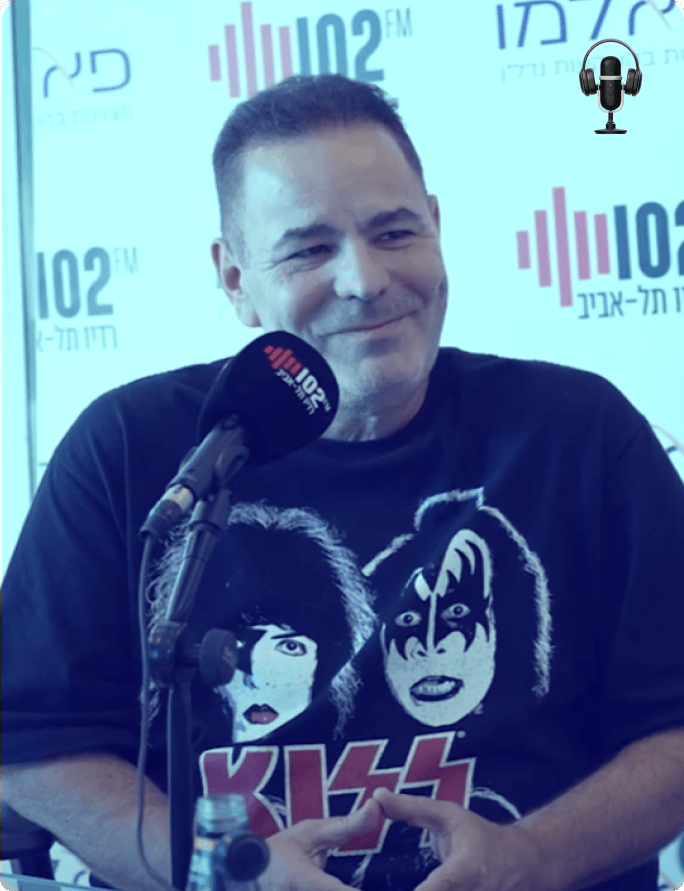
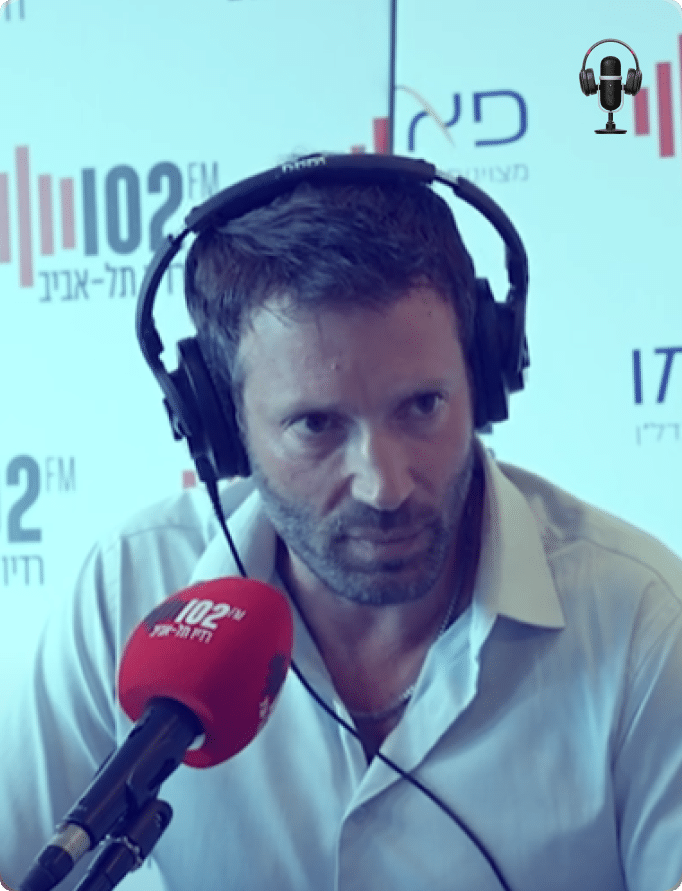
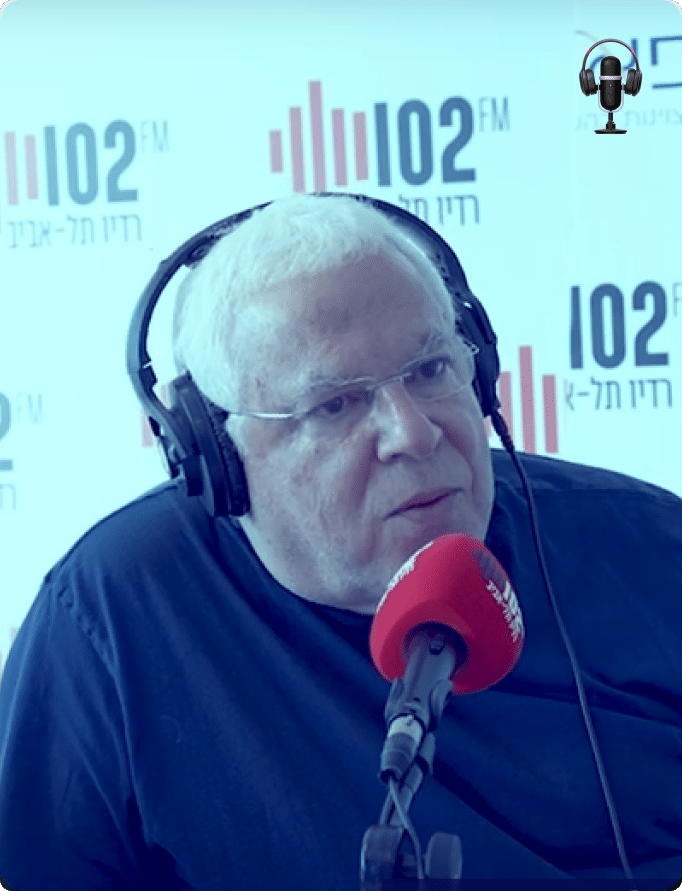




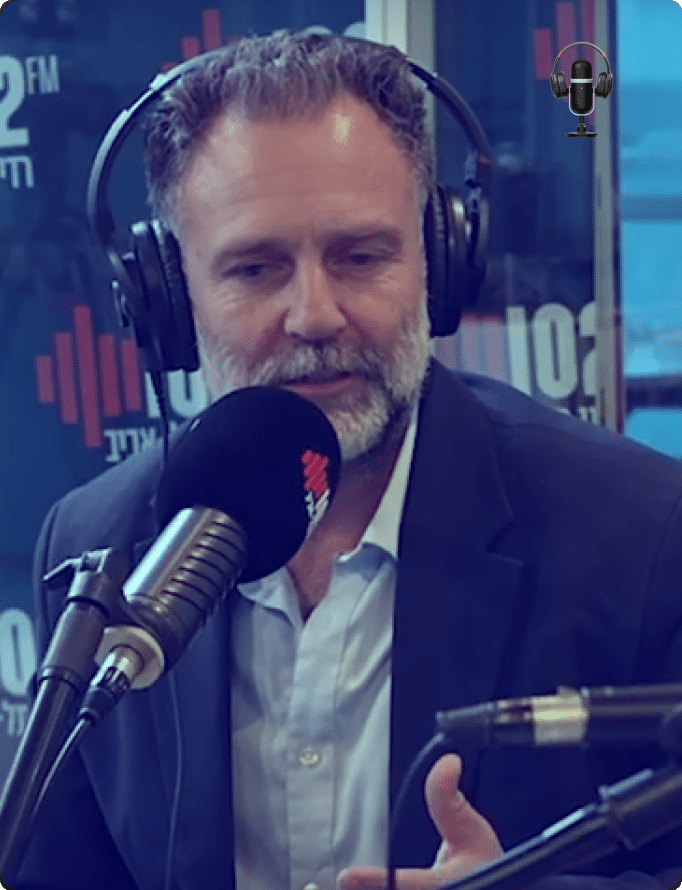




The radio program "Building Far," hosted by Meirav Miller and Aviv Cohen, featured Tal Dori, CEO of IBI CAPITAL, who spoke about the company, the high-tech sector in Israel, investments in Israel and abroad, and common perceptions regarding the Israeli market
Aviv Cohen, Vice President of Palmo, specializes in assisting investors in buying a home in Greece, and Mir Bamiler, a media personality, hosted Tal Dori, CEO of IBI CAPITAL, on their radio show, “Building Far Away,” for a fascinating conversation. Among other things, Dori provided a comprehensive overview of the company’s activities, the state of the Israeli high-tech sector, and his views on investment, particularly in real estate, both in Israel and abroad. His insights offer a deep look into the market, challenge common perceptions, and highlight unique aspects of the Israeli economic landscape.
IBI Capital: A financial arm dedicated to the high-tech sector
IBI Capital, managed by Dori, is the financial arm of the IBI investment house, the second-largest in Israel by market capitalization. IBI Capital’s primary role is to provide financial services specifically to the high-tech sector worldwide. Dori explained that the high-tech industry is often treated as a separate financial sector, a trend particularly prominent in the United States and Europe, and one that is becoming increasingly essential in Israel. While some Israeli banks have established dedicated technology divisions (such as Leumi Tech and Poalim Tech), Dori says that IBI Capital offers a more in-depth and comprehensive service in this niche sector.
IBI Capital was founded ten years ago in response to the rapid growth of Israel’s high-tech sector, which made specialized financial services a “necessity.” The company offers a “one-stop shop providing 360-degree coverage for the financial needs of the high-tech sector,” which Dor notes is unique in Israel. The company’s services include a wide range of financial solutions for high-tech companies, including M&A management, employee stock options, investments, and family office services for the sector’s high-net-worth individuals.
The company’s client base is diverse, ranging from massive international corporations such as Intel and Pfizer (Dori noted with a smile that the company is involved in vaccines and benefits from global trends), to large Israeli companies listed in the United States such as Monday, Fiverr, Wix, and Taboola, to small private companies and startups with as few as four employees.
The State of the High-Tech Market: A Return to Normalcy, Not a Collapse
Dori strongly opposed the notion of a "crash" in the high-tech sector following years of rapid growth. He described 2021 as a "chaotic year" which, in his view, is unlikely to return in the foreseeable future. This period was driven by near-zero interest rates, a global pandemic, and a widespread belief that technology would rapidly take over all aspects of life, leading to a “crazy boom and irrational valuations,” with companies worth $20 million suddenly going public at a valuation of $1 billion.
Instead, Dori described what happened in 2022 and 2023 as “a return to normalcy and the maturing of the market.” He argued that 2022 was actually stronger than 2020 in terms of high-tech investments and exits. According to him, today, companies that manage to go public are much more mature and serious, not just “crazy dreams.” Dori believes that the market today is “much more sound and healthy" than it was in 2021, despite that year’s explosive growth.
He is very optimistic about the market’s future, citing current mega-deals worth tens of billions of dollars—such as those involving Waze and CyberArk—as unprecedented. This optimism stems from a shift in investor mindset, which has moved from “chasing dreams” to seeking investments in ventures with proven viability, solid business models, profitability, broad market appeal, and a clear future direction. According to him, these are no longer “half-baked” projects but rather well-founded opportunities.
The Strength of Israeli High-Tech Despite the Challenges
Dori highlighted the phenomenal nature of Israel’s high-tech sector, especially given the country’s turbulent geopolitical landscape.
Despite significant internal and external challenges, Dori says that Israel’s high-tech sector “is not slowing down,” and funds continue to flow in. He compared this to other countries facing similar problems (such as Ukraine, Belarus, or Korea), where the momentum of the tech sector is nowhere near that of Israel. This resilience, he explained, stems in part from Israel’s reputation not only as a small, conflict-ridden country in the Middle East, but also as a “high-tech powerhouse.”
A key factor contributing to this unique ecosystem is mandatory military service, during which 18-year-olds are trained to become cybersecurity experts in elite units. Dori suggested that if these military units were public companies, their market value would exceed that of many global corporations. This military training serves as an unparalleled “school” for high-tech talent, feeding the ecosystem. High-tech accounts for 50% of Israel’s exports and contributes over 40% to the country’s growth, despite employing only about 10% of the workforce. Dori emphasized the critical importance of safeguarding this sector.
"Brain drain" and the registration of companies abroad
However, Dori also pointed out a negative trend: many Israeli companies are now incorporated abroad rather than in Israel, such as Waze, which is an American company with Israeli founders. The long-term consequence of this trend is that when these successful companies turn a profit or are acquired, the tax revenue does not go to Israel, but to the country where they are incorporated.
Dori acknowledged that a significant part of this phenomenon stems from direct guidance from early-stage investors. While recognizing that this strategy is understandable from the investors’ perspective, Dori viewed it as a “very bad strategy” for Israel in the long term. He warned that the current prosperity stemming from the high-tech sector could “slowly leak away” if this outflow is not stopped. He indirectly linked this to the need for governmental stability and a secure environment that provides confidence to foreign investors.
Despite the challenges, Dori believes this is a “very good” time to invest, describing the Israeli tech scene as a “gushing spring.” He reiterated that Israel is a “true cyberpower.”
Real Estate Investments: Israel vs. Abroad
Moving beyond the high-tech sector, Dori also discussed real estate. He noted a psychological trend among wealthy high-tech executives to invest in apartments, often prioritizing this over other investments, and sometimes even before addressing other financial needs for their children. He remains skeptical of analysts predicting a decline in real estate prices, noting that despite interest rate hikes and a shortage of land, the market continues to defy expectations.
When it comes to real estate as an investment, Dori believes that Israel is not an ideal location. He pointed out that returns are generally low—around 2% in central areas like Tel Aviv—and that the price barrier to entry is “crazy and unattainable” for many. In contrast, he strongly advocates for real estate investments abroad, such as investing in Greece, noting that the process is much easier than in the past. He emphasized that returns abroad are “much more attractive” and properties are not excessively expensive, making the market “one worth getting into.” He noted that many young Israeli couples are now choosing to buy homes abroad because they cannot afford to do so in Israel, including a vice president at his company who has purchased several apartments in Athens.
New Project in Greece: Loutraki
Dori reports that IBI Capital is involved in a new and very interesting real estate project in Loutraki, Greece. Loutraki is a popular beach resort town, located about an hour and a quarter’s drive from Athens, and attracts many Greek domestic tourists as well as international visitors. The town is known for its healing springs and thermal baths, and is home to one of the largest casinos in the Balkans. The Loutraki coastline has been awarded the “Blue Flag,” an international standard for cleanliness and marine environmental quality.
Dori noted that Loutraki is an ideal location for vacation rentals intended for short-term leases, and unlike other places in Greece, it is not overly seasonal and operates for nearly six months of the year. Interest in investing in Loutraki has been growing significantly among Israeli, German, Italian, and Russian investors in recent years. Prices in the area have risen by about 25% over the past three years, from €1,000–1,200 per square meter before renovation. Dori points to a significant upward trend in property values in the area, supported by new municipal plans to upgrade the promenade and tourism infrastructure, as well as plans to upgrade the port of Loutraki and build a new marina.
Addressing Incidents of Antisemitism in Greece
Dori addressed the issue of anti-Semitic incidents and violence that have made headlines in Greece in the context of investment and tourism. He noted that Israel is the “land of bad news,” which is why people tend to hear mainly about the negative aspects. He cited notable cases such as an Israeli tourist who had his ear bitten off and soccer coach Ran Ben Shimon who was attacked. These incidents led people who had been interested in investing in real estate in Greece to cancel meetings and withdraw their interest.
However, Dori emphasized that as property owners in Greece, this does not necessarily affect private investors directly, since, as he put it, “there isn’t an Israeli flag automatically flying from the window of the house, and no one checks the owner’s nationality in the land registry before signing a lease.” He noted that the Greek government and the municipal authority in Athens are working overtime to eradicate these phenomena. He added that as a company, IBI Capital has not encountered any instances where deals were rejected or where professionals such as contractors, financial experts, lawyers, and tax advisors refused to work with them because they are Israeli. Dori also remarked that good news simply “doesn’t get ratings,” citing as an example a demonstration of support by Rhodes residents for the Israeli tourist, which did not receive the same media coverage as the protests against Israelis. He himself does not intend to cancel his vacations in Greece and does not believe that the percentage of vacation cancellations by Israelis is significant.
Personal Life and Hopes for the Future
Outside of his professional life, Tal Dori devotes himself to his family—his wife and children—and makes an effort to spend weekends with them, given his long work hours. He also loves music, plays the guitar, and enjoys off-road jeep trips.
Dori’s main hope for the future is that IBI Capital will continue to succeed and grow, and that both he and his team will enjoy what they do and be happy.

We offer properties in strategic locations and provide support every step of the way—from the search to property management.
Market Overview, Trends, and Appreciation Potential in the City
Don't leave room for error. Read the steps to buying your property in Greece
In-depth, down-to-earth conversations with experts who are deeply immersed in the Greek market
How much does it really cost to invest in Athens and the surrounding area? The numbers are revealed
Real estate news, market analysis, and regular updates from the field
Everything you need to know and ask before making a decision
Have you received an offer to invest in overseas real estate? If so, now is the time to move from promises to numbers—taking into account all relevant expenses and taxes
Strategy, Returns, and Opportunities You Can’t Afford to Miss This Year
Kipsali, Kolonki, Exarchia, and more: Where should you invest your money?
How to Secure Citizenship and Residency Before the Investment Threshold in Greece Is Raised
This website uses cookies to provide you with a better browsing experience and personalized recommendations, as well as for operational, marketing, and analytical purposes. For more information and the updated privacy policy