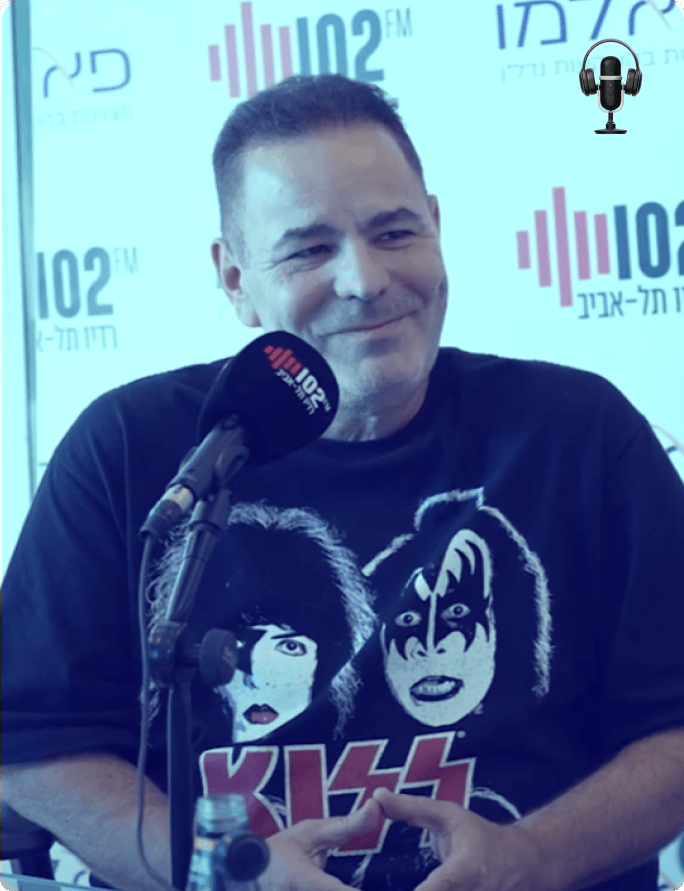
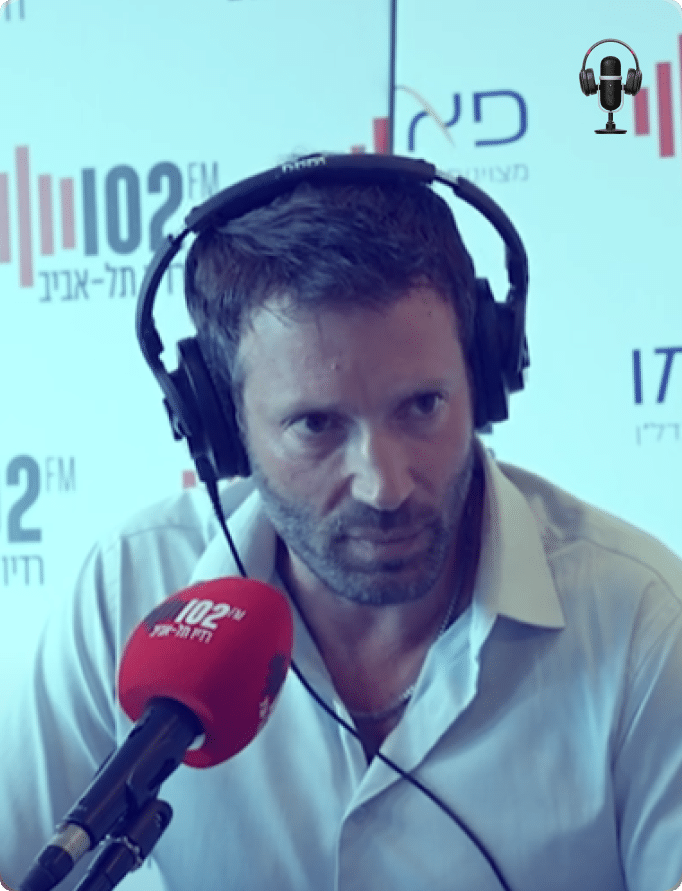
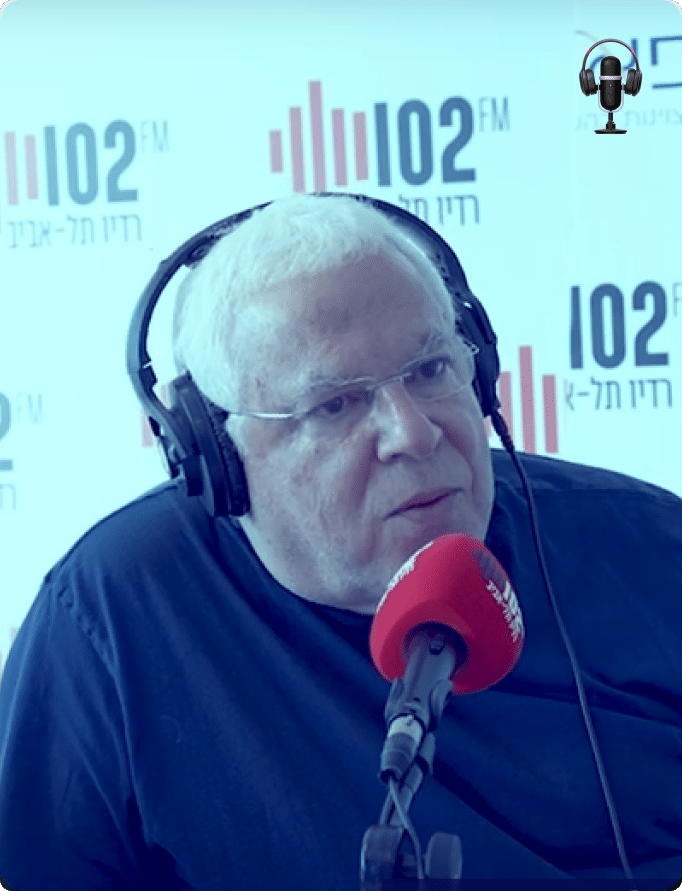
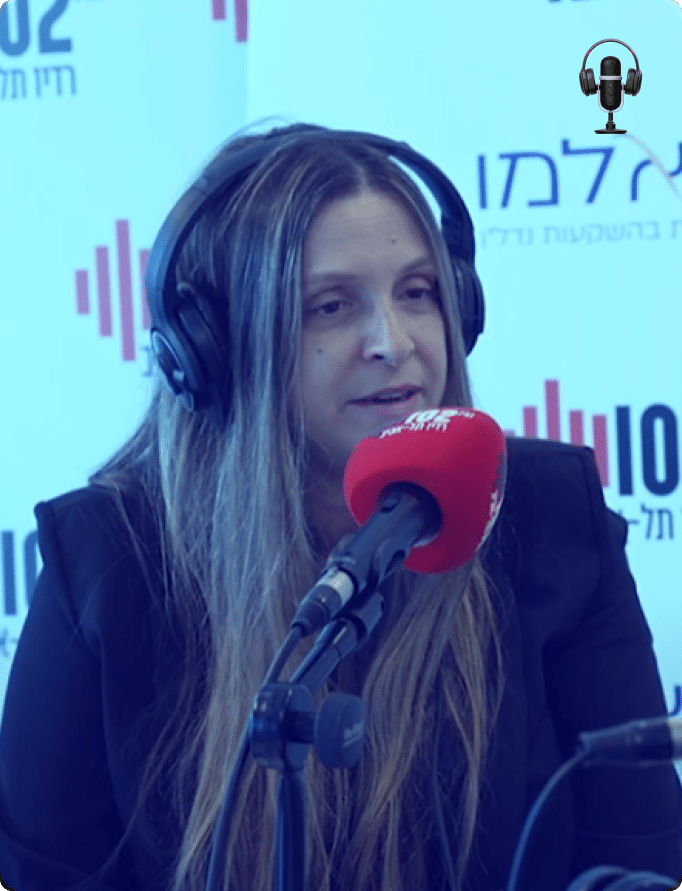
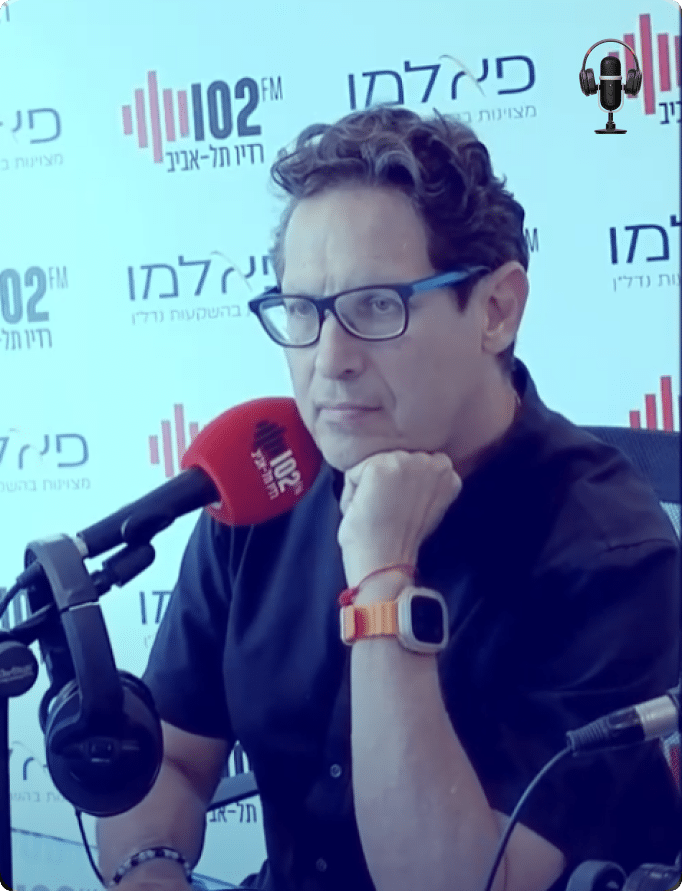
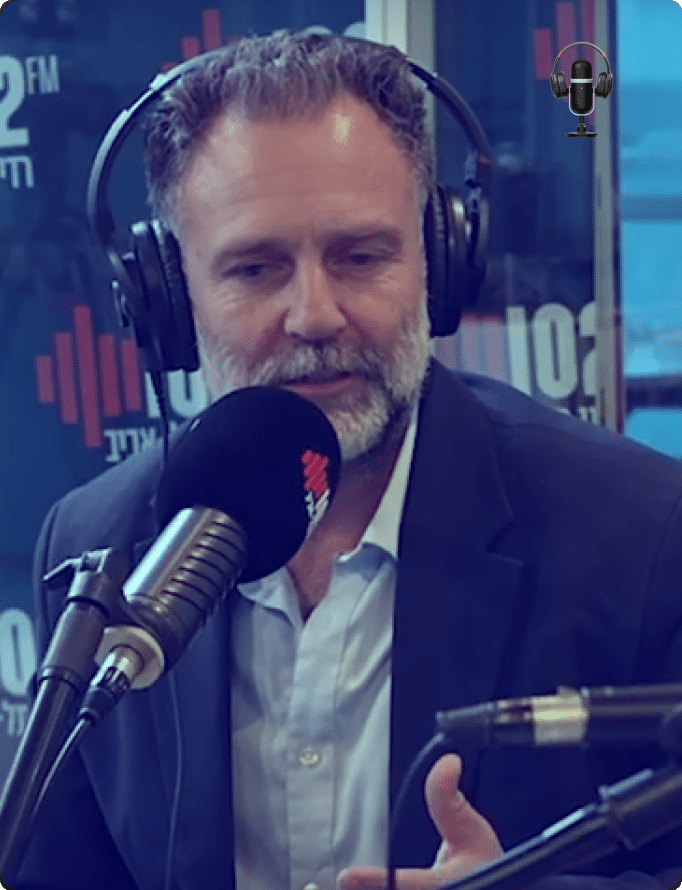
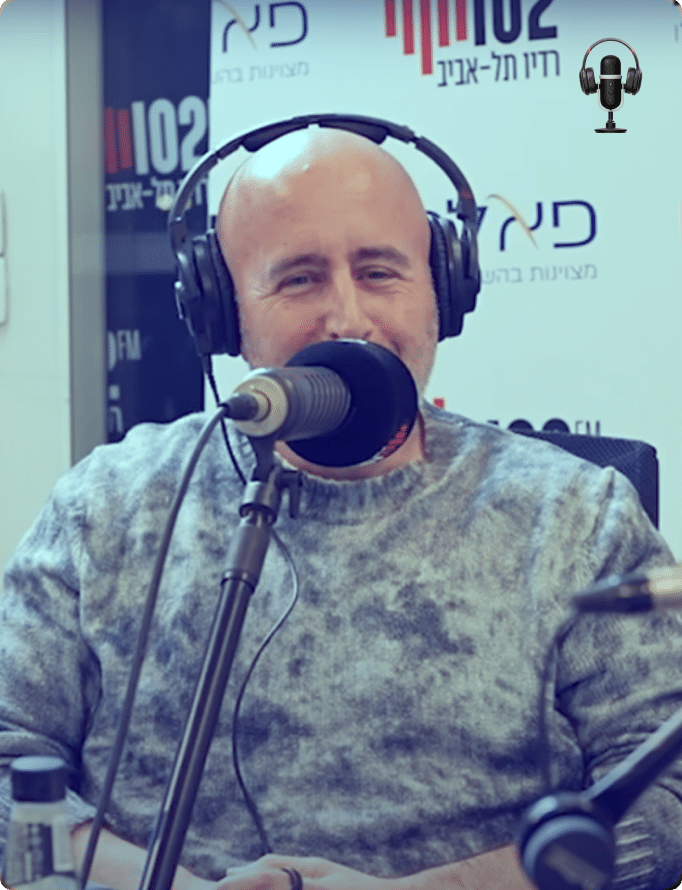
On the radio program “Building Far,” hosted by Aviv Cohen and Merav Miller, which covers a wide range of topics in the fields of real estate, tourism, and investment, attorney Moran Gur—one of Israel’s leading professionals in the field of urban renewal—appeared as a guest. Attorney Gur shared his wealth of experience and provided a unique glimpse into his professional and personal life, focusing on the challenges, the rewards, and his work philosophy.
The radio program "Building Far Away," hosted by Aviv Cohen and Merav Miller, welcomed Attorney Moran Gur, who has been working in the field of urban renewal for two decades. Attorney Gur explains that he entered this niche through the world of planning and construction when the government launched TAMA 38 in 2005. At the time, “the field was in its infancy, but our firm’s gamble paid off,” he says. Today, the field is highly complex, requiring top-tier professional teams, and even large firms have entered the fray. Gur notes that “urban renewal is more popular than ever, especially during periods of economic uncertainty.” He explains that the risk for developers in this field is minimal compared to traditional development, as they receive bank financing only after securing the required majority and obtaining approved plans. For him, the greatest satisfaction comes when residents—especially skeptical seniors—receive new, accessible apartments.
"I am the voice of the tenants"
When asked which side he chooses in the complex triangle of the municipality-residents-developer relationship, Attorney Gur replies without hesitation: “The residents. I am the residents’ voice. I am the residents’ advocate.” According to him, as a lawyer, one must choose a niche and focus on it, and he chose to focus on representing tenants in urban renewal and in planning and construction. He sees himself as “a spotlight for tenants in a difficult and complex reality, helping them understand aspects such as appraisals and betterment tax payments, and distilling 120-page agreements for them.” The urban renewal process is “a marathon that lasts about 10 years and involves dealing with opponents, municipal bureaucracy, and sometimes even legal battles,” he says. Attorney Gur emphasizes the need for an assertive “guide” to lead the process, and he and his team thrive in this role and succeed. Although people always like to “blame” the developers and authorities, and the tenant is often seen as the “underdog,” Attorney Gur makes it clear that he is not always a Robin Hood for the local authorities. He is not afraid to file appeals against planning agencies when he believes it is necessary, and the courts often accept their positions, for example, regarding extensions of building permits.
The biggest challenge: pleasing everyone
According to Attorney Gur, the most complex challenge in this field “is to please everyone.” While small projects (16–20 residents) are simpler, large projects comprising hundreds of housing units involve significant complexity. He encounters residents of various ages, those with disabilities, and even those who have committed building code violations. In his words, “It is impossible to create a framework that satisfies everyone, and my insistence that there be no discrimination among rights holders creates antagonism among those who believe they deserve more.” Attorney Gur does not take a position on what is “deserved” or “undeserved,” but he explains and distills the fundamental principles for the residents based on case law. Things are not always accepted easily, and they often find themselves in court.
Objections and Difficult Stories: A Showdown with Longtime Residents
Major opposition often comes from a conservative segment of tenants, particularly the elderly, for whom Attorney Gur has great respect. He notes that older buildings and small apartments mostly serve an older population. Although the legislature has provided them with many incentives—such as those for rights holders over the age of 70—many of them still feel they are not getting enough, or simply prefer to remain in the homes where they have lived for decades. Attorney Gur shares a tragic case that occurred about a decade ago in northern Tel Aviv, “in which a 90-year-old tenant who had purchased her apartment at age 40 was evicted. Although alternative housing and accessibility were arranged for her, she refused to leave. Ultimately, she had to be forcibly evicted through the supervisor of shared housing. Two months after the eviction, she passed away.” Attorney Gur finds it difficult to let go of the case and feels there is a causal link between the eviction and her death, even though this link has not been proven.
Proposals for Regulatory Improvement: An Early-Stage Mediation Mechanism
Attorney Gur believes there is a lack of legislation and regulation that could contribute to faster and more efficient project progress. He proposes establishing a mediation mechanism as early as the preliminary stages of the process, similar to the pre-trial and mediation mechanisms in the courts. “Currently, the Supervisor of Condominiums enters the picture at very late stages, only after a committee decision has been made and a plan has been formulated,” he says. Attorney Gur sees a need for the mediation mechanism to operate in parallel with the planning processes and to include both planning and property-related aspects. “I am discussing this with representatives of the Tel Aviv Municipality and the Deputy Attorney General, in the belief that such a mechanism will reduce resistance and significantly shorten project timelines.”
Tips for those considering urban renewal
Attorney Gur advises anyone considering an urban renewal project to establish a relationship of complete trust with their representative. He notes that they receive many inquiries regarding projects that are already represented, seeking a second opinion to ensure that the agreements and guarantees are adequate and comply with legislation and the government authority for urban renewal. He is aware that the attorney’s fees are paid by the developer, “which sometimes raises concerns among the residents, but full transparency from the chosen representative is of great importance,” he says.
Work-Life Balance
Attorney Gur reveals that his worldview has changed over the years. In the past, he worked nonstop, like a “machine” churning out numerous projects each week. Today, he is more selective and assesses the feasibility of each project. His motto is “to keep enjoying what I do”—it’s his passion, and he lives and breathes the field. But at the same time, he makes sure to maintain a balance with his personal life and his children. After 18 years of marriage, he divorced and realized he needed to be an active father to his three children (ages 13, 10, and 8). Today, he strikes a balance between his professional fulfillment and his family, while maintaining a “level-headed relationship with clients,” as he puts it.
On a personal level, Attorney Gur admits that he is “addicted to CrossFit and sports.” He makes sure to exercise every day, viewing it as “oxygen” and a balancing factor in his life. On a tough day, he goes for a run or a swim in the ocean, dedicating an hour and a half to two hours a day to this activity. He also plays tennis.
Overseas Investments: A Personalized Approach
When asked about overseas investments, such as investing in Greece, Gur explains that he does not personally focus on this area, although he has many colleagues who do. He states that he is all-in with what he does, but he struggles with “speculation” he is unfamiliar with, and if he doesn’t know a field, he doesn’t get involved in it. In contrast, in the Israeli real estate sector, he “lives and breathes” the field and is able to assess it from an appraiser’s perspective as well as a legal one. He even turned down an offer from a firm in Dubai to set up a branch to represent Israeli real estate investors, because “it just doesn’t do it for me.” He prefers to focus on what he’s good at, but always refers people who approach him to colleagues and good friends who are experts in the field of overseas investments, including buying a home in Greece, “out of a belief in synergy and good people.”
In conclusion, Attorney Moran Gur presents a complex yet fascinating picture of the world of urban renewal from the residents’ perspective. Through his extensive experience, passion for his profession, and uncompromising commitment to residents, he is a key figure in the field, combining deep professional knowledge with human sensitivity and a constant striving for balance in life.