


Brief summary:
Short-term rentals in Athens can still be profitable in tourist areas, but they require an understanding of regulations, tax registration, safety requirements, and local restrictions. The actual return depends on occupancy rates, seasonality, and management costs.
Many Israelis choose to buy a home in Greece as an investment opportunity, with the intention of offering the property for short-term rental. In recent years, Athens has become one of Europe’s favorite cities for both tourists and investors. In 2025, the city attracted nearly 9 million tourists seeking an authentic hospitality experience in popular areas such as Plaka, Monastiraki, Kolonaki, Neos Kosmos, or Koukaki.
Compared to hotels, which cost between 150 and 250 euros per night during the high season, short-term rental apartments offer a more affordable and authentic local experience, at an average price of €80–150, providing an attractive alternative for young people, families, and visitors in need of short-term housing. This phenomenon has gone global, and demand for vacation rentals in Athens has grown over the years, placing a strain on infrastructure and the local housing market.
Historical Background and Regulatory Changes
Prior to 2020, the short-term rental market in Athens was characterized by a lack of proper regulation, and the unchecked growth in the sector placed a strain on infrastructure, led to a shortage of residential apartments, and endangered Athens’ historical heritage and urban landscape due to hasty and often unprofessional renovations of historic buildings, carried out without supervision or regard for original architectural features. In addition, the situation created unfair competition between short-term rental apartments and hotels.
As a result, Greek authorities took a firm stance and announced strict oversight of the sector. In 2020, laws and regulations were submitted for approval that included explicit licensing requirements, which were quickly enacted due to the growing influence of the real estate market and local and international pressures. Starting in 2024, the regulations were updated and underwent another significant change.
Apartment owners in Greece who rent out their properties on a short-term basis are required to register with the AADE (the Greek Tax Authority’s Short-Term Rental Registry), and in some cases must obtain a tourism license from the GNTO, which requires the payment of a fee, preparation of documents (title deeds, architectural plans, Greek tax identification number (AFM), safety certificates, energy certificates, engineer’s approval, property tax payment certificate), along with a physical inspection of the property to verify compliance with safety, sanitation, facilities, and quality requirements.
With regard to restrictions on rental periods, a limit of 90 days per year has been imposed on short-term rentals in central areas.
Starting in October 2025, new regulations came into effect, aimed at raising safety, quality, and oversight standards for short-term rental apartments in Greece. Among the new requirements: mandatory civil liability insurance for every property, certification from a licensed electrician, fire safety equipment (fire extinguishers, smoke detectors, emergency signs), a pest control certificate, a first aid kit and emergency guide, requirements for adequate natural lighting, ventilation, and air conditioning, a limit of up to two short-term rental properties per owner, and a maximum of 90 days per year (or 60 days on small islands).
In Athens, the city government imposed a one-year freeze in 2024 on the registration of new short-term rental apartments in high-demand areas, alongside incentives for apartment owners to switch to long-term rentals. Currently, in the city’s central and tourist-heavy areas, regulations are overseen by special committees required to approve apartment operations, and there are restrictions limiting rentals to tourists to 60–90 days per year, in order to manage the influx and preserve residents’ quality of life. In less touristy areas, there are fewer restrictions, and properties can be rented for longer periods.

Despite stricter regulations, Greece has succeeded in developing a professional, high-quality, and growing tourism market
Greece is trying to strike a balance between encouraging foreign investment and protecting the local market, while adapting regulations to social needs and pressures. Despite the changes and initial concerns about a slowdown in tourism, the data shows that demand for short-term rentals remains high—mainly due to affordable prices, an authentic hospitality experience, and flexibility. In 2025, nearly 9 million tourists visited Athens, a new record for the city, despite (or alongside) stricter regulations on short-term rental apartments. Greece as a whole welcomed over 34 million inbound travelers in 2025, a figure higher than the records set before the COVID-19 pandemic.
Far from harming tourism, the new regulations have actually helped create a more professional, safe, and high-quality market. Restrictions in central areas have led to an increase in the quality of offerings, improved service, and greater safety for tourists. Athens and Greece continue to attract many tourists, while maintaining a balance between the needs of residents, heritage preservation, and continued economic development.
Comparison with leading European countries
Compared to Athens, other European cities enforce stricter regulations. In Barcelona, regulations are more stringent, including requirements for special licenses and permits, heavy fines, and aggressive enforcement in major tourist areas.
In contrast, in Athens, as in cities such as Lisbon and Madrid, there is a relative degree of tolerance that allows entrepreneurs and property owners to pursue investment opportunities with relative ease, making Athens an attractive destination for foreign investors seeking to combine tourism with efficient property management. Flexibility in enforcement and a policy of reducing fines, together with the systemic legal infrastructure, encourage the development of management ventures suited to the needs of contemporary tourism.
The Benefits of Renovated Projects Managed as Serviced Apartments
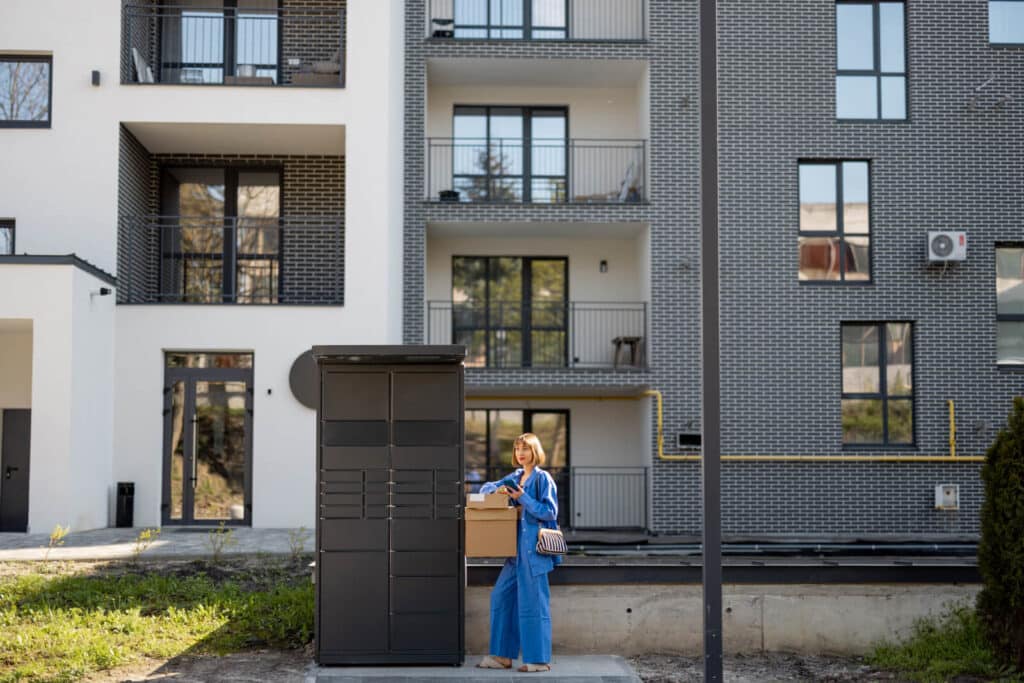
Part of the unique approach in the Athens tourism market involves converting an entire building—which has been upgraded and renovated—into managed and rental units that constitute an "apartment hotel."
This model offers clear advantages:
- Centralized management of an entire building ensures compliance with regulatory standards, oversight of service quality, routine maintenance, and the maintenance of public order.
- Peace of mind for investors, who know that all units are managed according to uniform standards
- A consistent hospitality experience, which attracts high-quality tourists and reduces friction with permanent residents.
- Such projects are also more resilient to regulatory changes, as they operate as actual hotels with the appropriate licensing
This model has been successfully implemented in cities across Europe and offers a solution that contributes to market stability and the preservation of Athens’ historical and social heritage.
The Impact of Regulation on Foreign Investors Versus Local Investors
Local investors who are familiar with the local market and regulations tend to own one or two properties, usually inherited or as a family investment. Restrictions on rental days and stricter regulatory requirements make it difficult for small property owners, especially those who cannot afford the necessary renovation and maintenance costs. On the other hand, local investors with capital and experience can form partnerships and initiate serviced apartment projects, enjoying the benefits of centralized management and regulatory compliance, while preserving the historical value of the properties.
Foreign investors are drawn to Greece due to relatively low real estate prices, the possibility of obtaining a "Golden Visa," and the growing tourism market. The new regulations require compliance with strict conditions (licensing, insurance, rental duration limits), which increases entry costs and necessitates professional guidance.

For foreign investors, "serviced apartment" models in renovated buildings offer an ideal solution: professional management, risk diversification, regulatory compliance, and reduced direct involvement.
However, restrictions on the number of properties and the scope of rental activity may reduce the profitability real estate investments in Greece for investors who wish to manage properties themselves.
Looking ahead, the new regulations are expected to lead to greater professionalization and market consolidation in the hands of large management companies that offer comprehensive management services to apartment owners, particularly foreign investors. Small investors (both foreign and local) will find it difficult to continue operating independently and will be forced to choose between selling the property, switching to long-term rentals, or joining a centralized management model.
In the long term, the number of short-term rental properties on the open market is expected to decline, while regulated and supervised projects are expected to increase—in the interest of preserving the city’s heritage, quality of life, and economic stability.
The tourism market in Greece is at a positive turning point; we need to know how to make the most of it
In conclusion, the tourism market in Athens is at a positive turning point: regulations reflect a commitment to preserving heritage while simultaneously creating new avenues for implementing modern management projects that meet the needs of the tourism industry and enhance residents’ quality of life. The combination of regulatory stability, operational innovation, and controlled management models points to a promising economic future for the city.