


Brief summary:
Greece offers a high quality of life, a pleasant climate, and a relatively low cost of living compared to other European countries. The gap between housing prices in Greece and those in more expensive markets creates an opportunity for investors looking for affordable properties.
In an era of rising living costs across Europe, Greece is establishing itself as a particularly attractive destination for those seeking a high quality of life at a relatively low cost, combining a pleasant climate with a rich culture. This trend makes Greece not only a potential residential destination but also an excellent investment opportunity for those seeking stable returns in the European real estate market.
Greece is known as a country where the cost of living is lower than in Western Europe. But just how significant is the difference? And what are the current trends? We’ve compiled a range of metrics to compare Greece with other European capitals, including housing prices, daily expenses, energy costs, and more.
Housing Prices and Apartment Rents
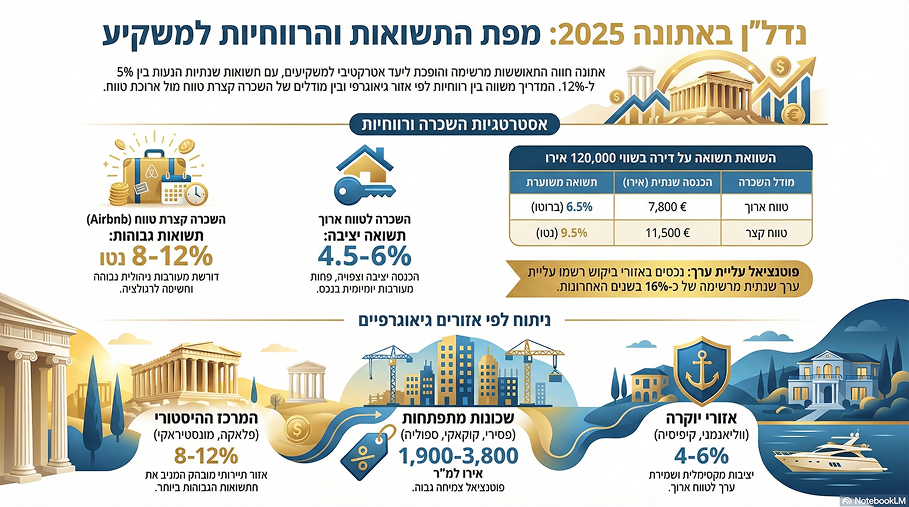
Housing is one of the most striking differences between Greece and the rest of Europe. In major Greek cities such as Athens and Thessaloniki, rent for a one-bedroom apartment ranges from €400 to €1,100 per month, while luxury properties or larger apartments can cost over €1,800 per month. However, in smaller cities and rural areas, prices drop significantly and can range from €200 to €300 per month.
Based on prices per square meter as of mid-2025, the average price per square meter in the Athens housing market, for example, ranges from €2,580 to €2,950 per square meter, depending on the sources and different areas of the city. A comparison with other European countries reveals a huge gap. In Geneva, Switzerland—the most expensive city in Europe to buy an apartment—the price per square meter reached nearly €15,720 in the third quarter of 2025, with Zurich ranking second. Even in the Netherlands, one of the countries expected to see a sharp rise in housing prices in 2026, prices are significantly higher than those in Greece.
Compared to the European Union as a whole, where apartment prices rose by 5.1% and rent increased by 3.1% in the second half of 2025, Greece offers relative stability and lower costs. Even in Athens, the capital of Greece, the cost of renting an apartment is significantly lower than in other major European cities such as Paris, London, or Amsterdam, where rent for a one-bedroom apartment can reach €2,500–3,500 per month.
Cost of living and living expenses
Beyond housing, the cost of daily living in Greece offers a clear economic advantage. On average, monthly living expenses for a single person in Greece amount to $882, excluding rent, while a family of four spends approximately $3,027 per month on basic expenses. These figures translate to living costs that are significantly lower than the European average.
A single person looking to live comfortably in Greece can get by on an average of about $1,835, a figure that covers a wide range of activities and services. Life on the Greek islands may be more expensive due to transportation costs and their status as popular tourist destinations, but prices are still relatively affordable compared to Western European countries.
Food and drink costs in Greece are particularly low compared to the rest of Europe. A meal at a local restaurant costs between 12 and 18 euros, whereas in Paris or London a similar meal costs at least 25 to 35 euros. Shopping at the supermarket offers excellent value, especially due to direct access to fresh local produce—vegetables, fruits, fish, and dairy products of high quality at low prices.
Energy costs and utility bills
Energy costs account for a significant portion of household expenses, and in this regard, Greece offers a certain advantage. Electricity prices for the residential sector in Europe vary significantly, ranging from 9.1 cents per kilowatt-hour in Budapest to 40.4 cents per kilowatt-hour in Berlin, with the EU average standing at 25.5 cents per kilowatt-hour. Greece is below this average, making it easier for families to manage their energy expenses. As of August 2023, the average price of electricity per kilowatt-hour in Greece was approximately 11.4 cents per night, ranging from 8 to 16.7 cents per kWh depending on the provider and consumption level.
Furthermore, compared to Northern Europe, where winter heating costs can reach astronomical amounts, Greece’s Mediterranean climate significantly reduces the need for heating. This translates into savings of hundreds of euros during the winter months.
Taxes and Maintenance Costs
The Greek tax system offers a number of advantages to foreign investors and new residents. When purchasing property in Greece, buyers pay a transfer tax (FMA) at a rate of 3.09% of the property’s value, which is significantly lower than in other European countries.
The ENFIA property tax consists of two components: the base rate ranges from €2 to €16 per square meter, and the amount is determined based on several factors, such as location, property value, date of construction, and more. Starting in 2025, residents are eligible for a 20% discount on the ENFIA tax for residential properties, provided that their taxable value does not exceed 500,000 euros.
Maintenance costs in Greece are relatively reasonable compared to the rest of Europe. Villa maintenance (including the garden and pool) costs €150–250 per month, while apartment maintenance (common areas, elevators, cleaning, security) costs €20–100 per month per owner. For homes in upscale residential areas, maintenance costs can reach €600 per year or more, including cleaning, outdoor lighting, pool maintenance, and landscaping and security services.

Tax Benefits for Foreign Investors
Greece offers preferential tax programs designed for foreign investors. Income from renting an apartment is subject to a tax rate ranging from 15% to 45%, depending on the amount earned, but property maintenance costs (estimated at 5%) can be deducted from the tax base. Capital gains from the sale of real estate are taxed at a rate of 15% for properties held for less than 5 years, while for properties held for more than 5 years, the gains are tax-exempt.
The "Golden Visa" program grants the right to permanent residency in the European Union to investors who invest at least €400,000 in Greek real estate, making Greece an attractive gateway to Europe. Compared to countries like Germany, France, or the Netherlands, where taxes are among the highest in the world, Greece offers an attractive alternative for those seeking to optimize their tax burden.
Quality of Life and Other Benefits
In addition to its low costs, Greece offers a high quality of life, including a pleasant Mediterranean climate, fresh and healthy food, and a rich culture. The Greek healthcare system provides high-quality services at a relatively low cost. A visit to a private doctor costs between 40 and 60 euros, whereas in countries like Switzerland or Norway, the same visit can cost 150 to 200 euros.
Public transportation in Greece is inexpensive and efficient, with a well-developed local bus and train system. A monthly public transportation pass in Athens costs 30 euros, while in London the same pass costs over 160 pounds (about 185 euros). Intercity transportation costs are also low, with bus trips between cities costing 15–25 euros.
The cost of services and leisure activities in Greece offers excellent value. A gym membership costs an average of 43 euros per month, renting a tennis court costs about 23 euros per hour, and movie tickets cost 8–10 euros. Compared to cities like Paris, London, or Amsterdam, these costs can be two to three times higher.
Greece as an Attractive Investment Destination
The Greek real estate market offers attractive investment opportunities, particularly given the relatively low prices and growth potential. The rental market in Greece has grown by 4.2%–6.7% over the past year, indicating resilience and strong investment potential. The resurgence of tourism, political and economic stability, and investments in infrastructure are contributing to sustained growth in property values.
Other European countries are experiencing a dramatic rise in real estate prices, making it difficult to enter the market. Greece, on the other hand, still offers an accessible entry point for investors seeking exposure to the European real estate market.
Demand for property in Greece is growing not only among local residents but also among European citizens seeking vacation homes or permanent residences. This trend is leading to stable property values and strong rental demand, ensuring reasonable returns for investors.
Conclusion
Greece offers a rare combination of low living costs, a high quality of life, and attractive investment opportunities. While other European countries are grappling with steadily rising prices, Greece continues to provide a practical and attractive economic alternative. The combination of low housing costs, favorable tax rates, reasonable living expenses, and a high quality of life makes Greece not only a smart financial choice but also a high-quality lifestyle choice.
For those looking to move to Europe, retire, or invest in real estate, Greece presents an opportunity that cannot be ignored.
The information contained in this document is intended for general purposes only and does not constitute legal, regulatory, financial, or tax advice. The authors do not warrant that the information is accurate, complete, or up-to-date, and assume no liability whatsoever for reliance upon it. Before taking any action, it is recommended to consult with an attorney or a qualified professional advisor. Nothing herein constitutes an offer or recommendation to make any investment, and any action taken is solely at the reader’s own risk.